
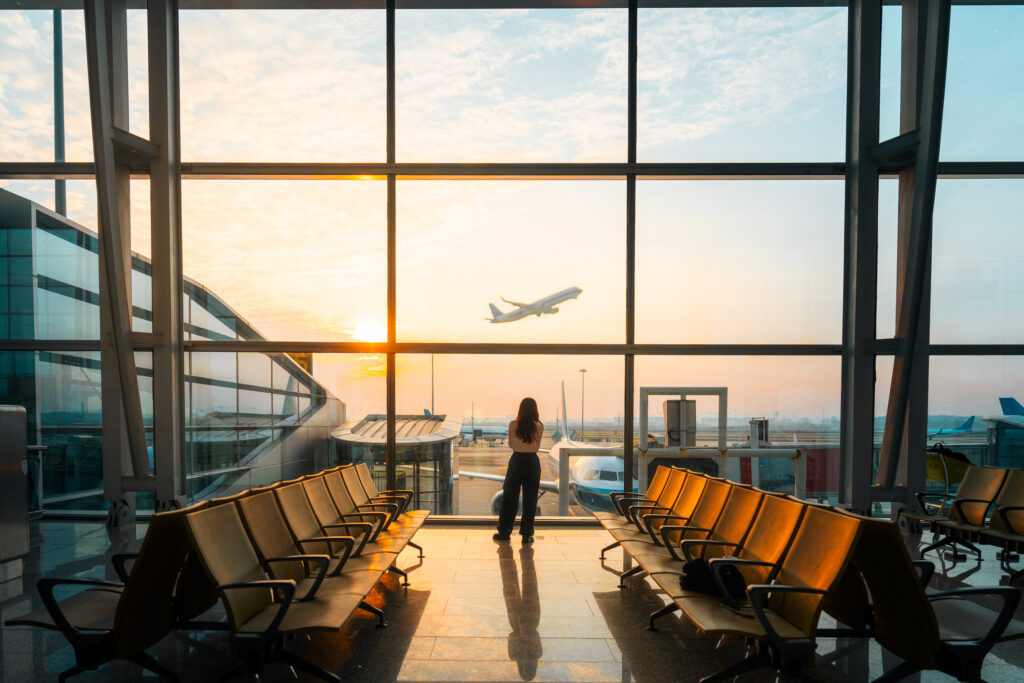
Things Nobody Tells You About Long-Haul Flights (That Can Make or Break Your Trip)
Booking a long-haul flight is exciting, it usually means you’re heading somewhere incredible. But while most travel guides focus on destinations, few prepare you for the reality of spending 8, 12, or even 16 hours in the air.
Whether it’s your first international flight or your tenth, there are plenty of things nobody tells you about long-haul flights until you’re already halfway across the world.
Here’s everything we wish we knew before our first ultra-long journey.
1. The Cabin Air Is Much Drier Than You Expect
One of the biggest surprises for first-time travelers is just how dry airplane cabins are.
Aircraft humidity often sits between 10% and 20%, much lower than what most people are used to on the ground. That’s why your skin feels tight, your lips crack, and your throat becomes dry after just a few hours.
What helps:
- Drink water regularly
- Bring lip balm
- Use a small moisturizer
- Avoid too much alcohol and caffeine
Hydration makes a much bigger difference than most travelers realize.
2. Sleeping Isn’t as Easy as It Looks
You might think you’ll simply watch a movie, fall asleep, and wake up at your destination.
Reality is usually different.
Between cabin announcements, meal services, turbulence, crying babies, and uncomfortable seats, getting quality sleep can be difficult.
Pack these essentials:
- Neck pillow
- Eye mask
- Noise-cancelling headphones or earplugs
- Lightweight blanket or hoodie
A small comfort kit can completely change your flight experience.
3. Your Feet Might Swell
Many people don’t expect their shoes to feel tighter during a long flight.
Sitting for long periods can cause fluid to collect in your legs and feet, especially on flights longer than eight hours.
Reduce swelling by:
- Walking around every couple of hours
- Stretching your legs while seated
- Wearing compression socks
- Avoiding crossing your legs for long periods
Comfortable shoes also make a noticeable difference.
4. Jet Lag Starts Before You Land
Most travelers think jet lag only begins after arriving.
In reality, your body starts adjusting the moment you leave your home time zone.
To reduce jet lag:
- Set your watch to your destination time after boarding.
- Try sleeping according to your destination’s nighttime.
- Stay hydrated.
- Spend time outdoors after landing.
The quicker you adapt to local time, the easier your first few days will be.
5. Plane Food Isn’t Always Served When You’re Hungry
Airline meal schedules follow operational timing rather than your appetite.
Depending on departure time, you might receive dinner at midnight or breakfast while your body still thinks it’s the middle of the night.
Smart idea:
Pack healthy snacks such as:
- Protein bars
- Nuts
- Dried fruit
- Crackers
- Dark chocolate
Having your own food prevents those long periods between meals from becoming uncomfortable.
6. Entertainment Can Get Boring
Most airlines offer movies and TV shows, but after several hours, even hundreds of entertainment options can start feeling repetitive.
Download entertainment before your flight:
- Podcasts
- Audiobooks
- Netflix downloads
- Spotify playlists
- Kindle books
- Offline games
Never rely entirely on the in-flight entertainment system.
7. Choosing the Right Seat Matters More Than You Think
Your seat can completely change your experience.
Window Seat
Perfect for:
- Sleeping
- Looking outside
- Leaning against the wall
Not ideal if you frequently need the bathroom.
Aisle Seat
Best for:
- Stretching your legs
- Easy bathroom access
- Walking around
You’ll likely be disturbed when others leave their seats.
Exit Row
Usually offers extra legroom but often has restrictions, including minimum age requirements and the inability to store bags under the seat during takeoff and landing.
8. Airplane Bathrooms Get Busy at Predictable Times
Most passengers head to the restroom:
- Right after meals
- Before landing
- Immediately after the seatbelt sign switches off
If you go slightly before these busy periods, you’ll usually avoid the queues.
9. Compression Socks Aren’t Just for Older Travelers
Many people assume compression socks are only necessary for elderly passengers.
In reality, they’re recommended for many travelers on longer flights because they help improve circulation and reduce leg fatigue.
They’re especially useful if you’re:
- Flying for more than eight hours
- Pregnant
- Prone to swollen feet
- Taking multiple connecting flights
10. You May Feel More Tired Than Expected
Even if you sleep for several hours, you may still arrive feeling exhausted.
That’s because:
- Cabin pressure differs from sea level.
- Sleep quality is often poor.
- Your body clock becomes disrupted.
- Dehydration increases fatigue.
Plan a relaxed first day rather than filling it with sightseeing.
Your future self will thank you.
11. Layers Are Better Than One Thick Jacket
Aircraft temperatures vary throughout the flight.
One moment you’ll be too warm, and the next you’ll be reaching for a blanket.
Wear layers such as:
- T-shirt
- Hoodie
- Lightweight fleece
This makes it much easier to stay comfortable.
12. Not Every Airport Has Cheap Food
Long layovers can become surprisingly expensive.
Some airport meals cost two or three times what you’d normally pay.
Bringing snacks from home can save money and give you better food choices.
13. Your Phone Battery Can Disappear Quickly
Long flights encourage hours of:
- Watching videos
- Reading
- Listening to music
- Taking photos
- Using travel apps
Even if your seat has USB charging, it may be slow or unavailable.
Always carry:
- A fully charged power bank
- Charging cable
- Universal travel adapter
14. Move More Than You Think You Need To
It’s easy to stay seated for an entire flight.
But even short walks every couple of hours can help:
- Improve circulation
- Reduce stiffness
- Lower the risk of blood clots
- Help you feel more refreshed
Simple stretches while seated also make a noticeable difference.
15. The First Day Sets the Tone for Your Trip
Many travelers try to do too much immediately after arriving.
Instead:
- Check into your accommodation.
- Take a short walk outside.
- Eat a local meal.
- Stay awake until local bedtime.
Starting slowly often helps you enjoy the rest of your holiday much more.
Bonus Tips for Long-Haul Flights
Before you leave, don’t forget to pack:
- Passport
- Travel insurance documents
- Headphones
- Neck pillow
- Eye mask
- Reusable water bottle (fill after security)
- Power bank
- Charging cables
- Lip balm
- Moisturizer
- Snacks
- Compression socks
- Pen for immigration forms (some destinations still require paper forms)
Frequently Asked Questions
What is considered a long-haul flight?
A long-haul flight is generally considered any flight lasting more than six hours, although many travelers use the term for flights lasting eight hours or longer.
How often should you walk around on a long flight?
Aim to stand up and move around every 2–3 hours when it’s safe to do so. This helps improve circulation and reduces stiffness.
Should I drink alcohol on a long-haul flight?
While an occasional drink is fine for most people, alcohol can contribute to dehydration and may affect sleep quality. Drinking water alongside alcoholic beverages is a good idea.
Is it worth bringing a neck pillow?
Yes. A quality neck pillow can make sleeping much more comfortable, especially on flights lasting over eight hours.
What’s the best seat for a long-haul flight?
It depends on your priorities:
- Window: Best for sleeping.
- Aisle: Best for moving around.
- Exit row: Best for extra legroom (where available).
Final Thoughts
Long-haul flights are often the first chapter of an unforgettable adventure, but they can also be one of the most physically demanding parts of travel.
A little preparation goes a long way. Staying hydrated, moving regularly, packing a few comfort essentials, and adjusting to your destination’s time zone can transform a tiring journey into a much smoother experience.
The best trips don’t just begin when you land, they start the moment you board. With these long-haul flight tips in mind, you’ll arrive feeling more comfortable, refreshed, and ready to explore.